










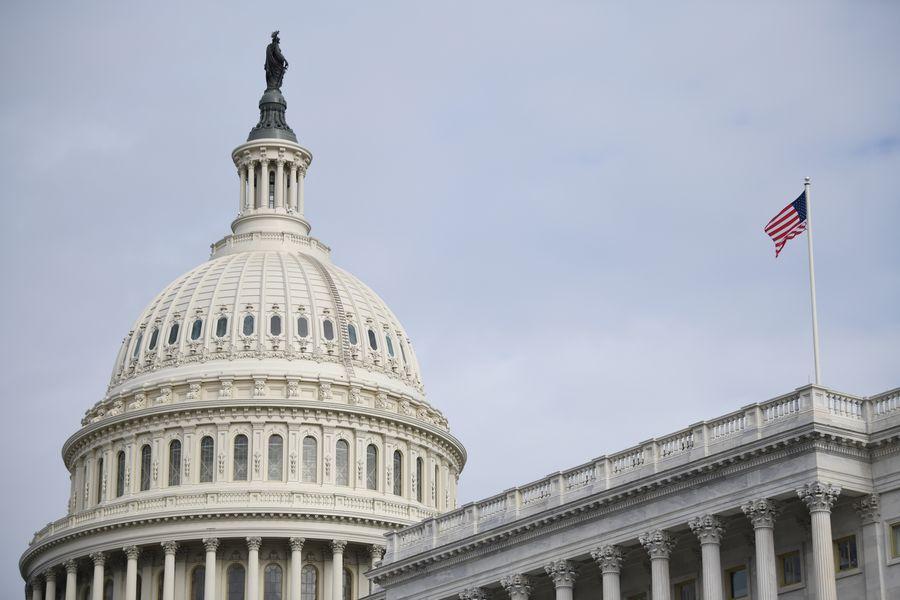
Washington, Sep 17 (IANS) The US Congress has cleared legislation providing for tariffs of up to 100 per cent on goods from major buyers of Russian energy, sending President Donald Trump a sanctions package that divided Democrats over the scope of his trade powers.
The House passed the Lindsey O. Graham Sanctioning Russia and Iran Act of 2026 by 262-159 on Wednesday (local time). The Senate approved it 86-11 on August 7. Trump is expected to sign the measure, with his advisers having recommended approval.
The package seeks to reduce the financial resources sustaining Russia's war against Ukraine. It targets Russian officials, banks, energy interests and foreign entities supporting Moscow's military operations.
According to the House Ways and Means Committee, the bill directs tariffs of up to 500 per cent on Russian goods. It also provides for duties of up to 100 per cent on goods from countries covered by its Russian oil and gas purchase provisions.
Those provisions cover major Russian energy importers and leading facilitators of oil sanctions evasion. The committee said additional countries could be added following reviews by the US Trade Representative every 180 days.
Senator Katie Britt's office said the bill includes an exemption for countries whose Russian natural gas imports represent less than 15 per cent of Russia's total gas exports and that are taking significant steps to reduce those purchases.
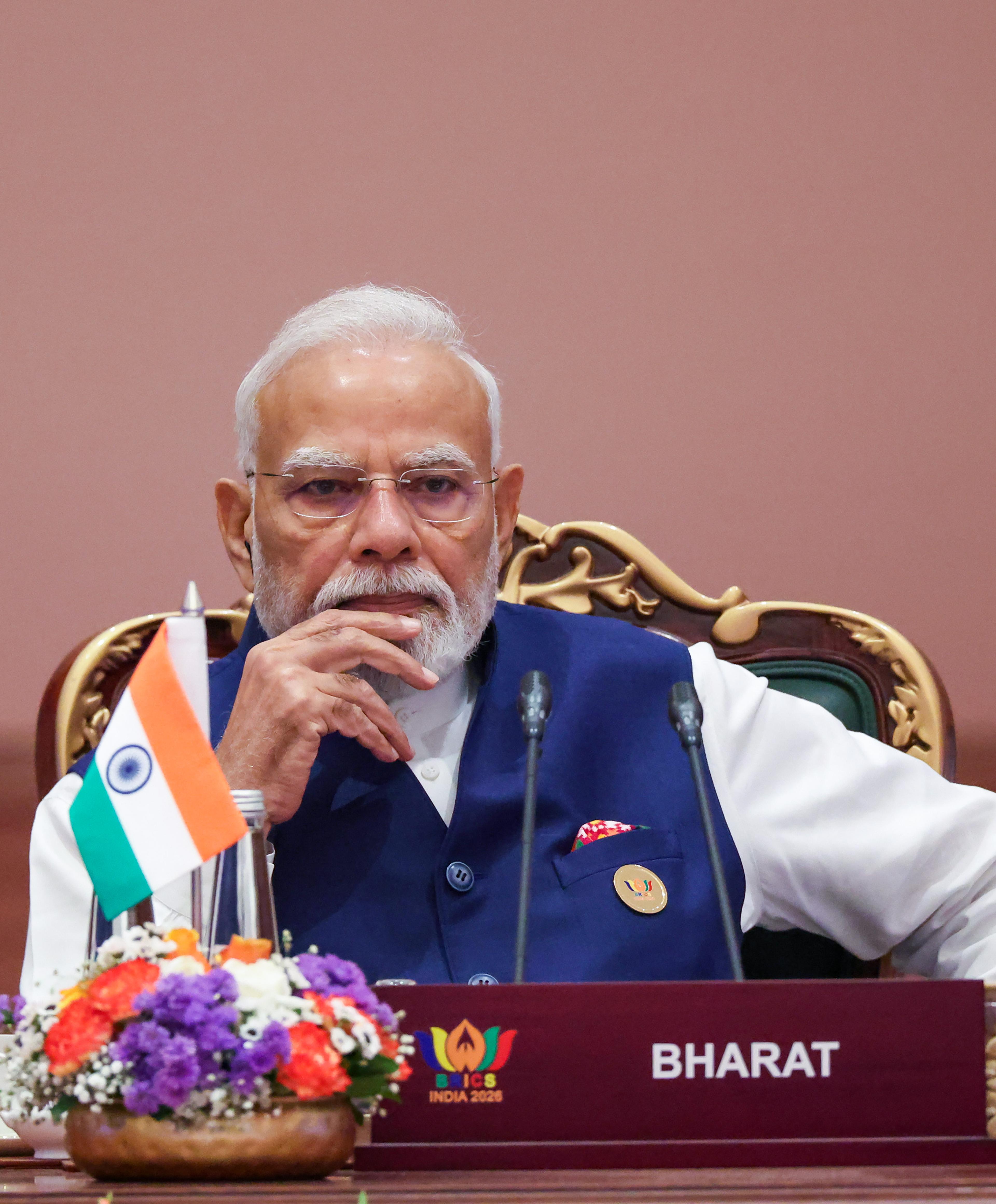
The supplied statements do not identify India as a designated target or establish an India-specific tariff rate.
Supporters argued that stronger economic pressure would help bring Moscow towards negotiations.
"Peace becomes possible when aggression carries a cost greater than its reward," Representative Brian Fitzpatrick, co-chair of the Congressional Ukraine Caucus, said in his statement.
The sanctions would reach major Russian financial institutions and foreign banks conducting significant transactions with sanctioned Russian lenders. They also target the vessels, owners, operators, insurers and ports supporting Russia's sanctions-evasion networks.
The bill restricts new US investment in Russia and its energy sector, purchases of Russian sovereign debt and financial services used to circumvent sanctions. It extends the Iran Sanctions Act of 1996 through 2031.
Democratic opposition centred on concerns that Trump could misuse the tariff provisions. CQ reported that 58 Democrats supported the package, while only seven Republicans opposed it.
Representative Joaquin Castro said he supported financial sanctions and investment restrictions but objected to additional presidential tariff powers.
"I have serious concerns that he would abuse the tariff authorities that this bill provides to pursue his own agenda and not use them in a way that would put pressure on those who buy Russian oil," Castro said in his statement.
Other Democrats argued that Congress should approve the measure despite their disagreements with Trump.
"This is an anti-Russia, pro-Ukraine bill. Let us pass it," Representative Steny Hoyer said during the House debate.
Permanent termination of the Russia-related sanctions would require presidential certification to Congress that Moscow had signed a peace agreement accepted by Ukraine's independent government, according to Fitzpatrick's office. Russia would also have to cease military hostilities and efforts to overthrow, dismantle or subvert that government. Congressional review would follow.
The legislation follows more than a year of bipartisan work to pressure Moscow, according to Fitzpatrick's statement. It is named in memory of Senator Lindsey Graham, who helped develop the package.
Russia launched its full-scale invasion of Ukraine in February 2022. The conflict has prompted successive Western sanctions targeting Russian banks, trade and energy revenues, alongside military and financial assistance to Ukraine.
--IANS
lkj/sd/