
















New Delhi, Sep 16 (IANS) The Customs department should step up the use of artificial intelligence (AI), machine learning (ML) and real-time analytics to reduce physical interface with trusted taxpayers and lower transaction costs for businesses, Central Board of Indirect Taxes and Customs Chairman Vivek Chaturvedi said on Wednesday.
Speaking at an event here, Chaturvedi outlined a long-term vision for the Customs department, calling for a technology-driven system that offers businesses a near-touchless and near-paperless experience.
He said the department should work towards building a unified, trusted taxpayer ecosystem that captures consistent compliance by businesses across GST, Customs and other indirect taxes, helping create greater synergy across the indirect tax system.
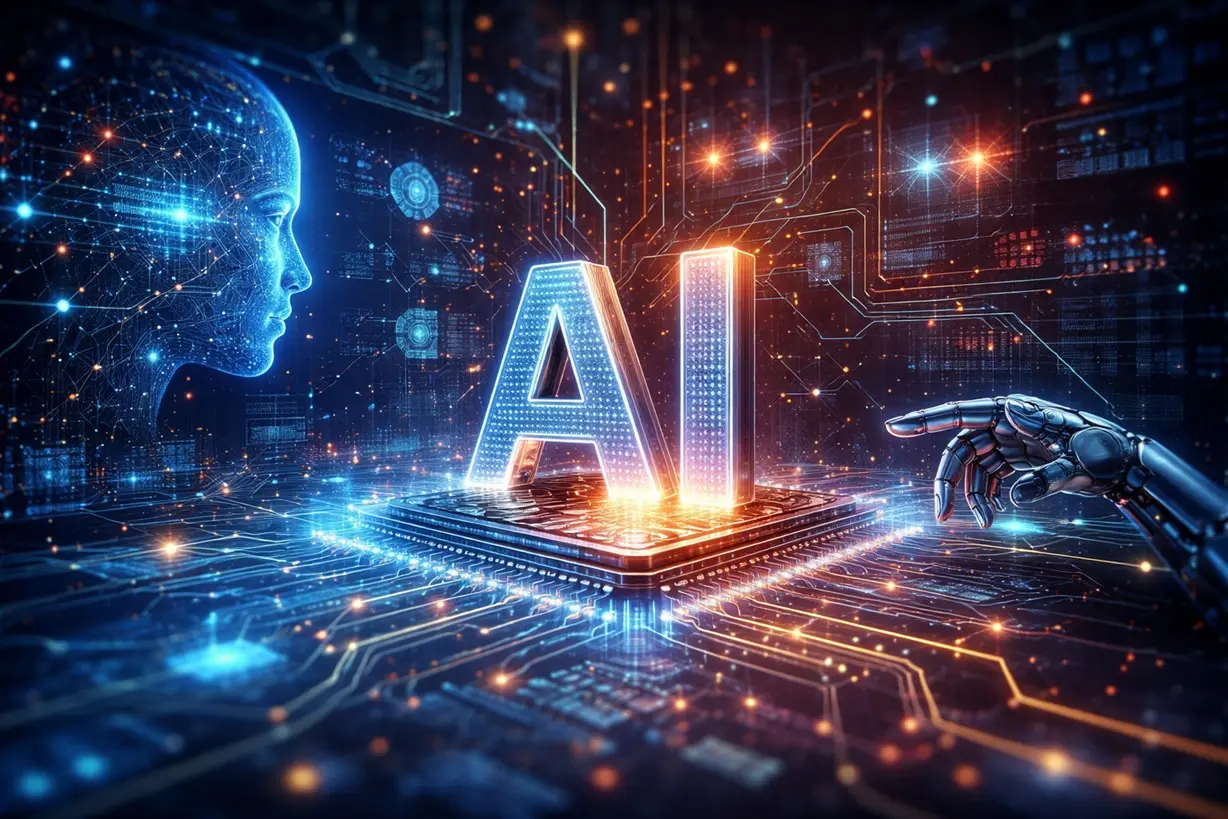
According to him, the department must accelerate the deployment of AI, ML and real-time analytics, cyclical and predictive applications.
Greater adoption of technology would help reduce transaction and cargo dwell costs for businesses, he said.
The CBIC chief also called for greater support to micro, small and medium enterprises (MSMEs), including through outreach programmes to help them benefit from Customs facilitation schemes.
He said the department should handhold MSMEs so they can make greater use of deferred-duty payment schemes such as Eligible Manufacturer Importer (EMI) and the Authorised Economic Operator (AEO) programme.
Technology should serve as a "great enabler" for Customs, with the objective of creating a near-touchless, near-digital experience particularly for businesses with AEO status, Chaturvedi said.
There are currently more than 6,000 entities with AEO certificates, including importers, exporters, logistics providers, custodians and terminal operators, customs brokers and warehouse operators.
The AEO programme is a voluntary compliance initiative under which Customs works closely with supply-chain stakeholders to strengthen cargo security while facilitating legitimate trade.
Chaturvedi also stressed the need for seamless coordination among government agencies, deeper data integration and wider global reciprocity through Mutual Recognition Agreements (MRAs).
--IANS
ag/