
Washington, Dec 17 (IANS) America’s aviation system is operating at unprecedented intensity, stretched by rising traffic, workforce shortages, and aging infrastructure, even as a sweeping modernisation effort gathers pace following last year’s deadly mid-air collision near Washington, senior US lawmakers and aviation officials said.
“The state of American aviation, it’s busy,” House aviation subcommittee chairman Troy Nehls saidduring a wide-ranging oversight hearing on the Federal Aviation Administration (FAA). “But busy is not a bad thing. In this instance, it’s a good thing,” he said, pointing to growing demand alongside a push for innovation and safety reforms.
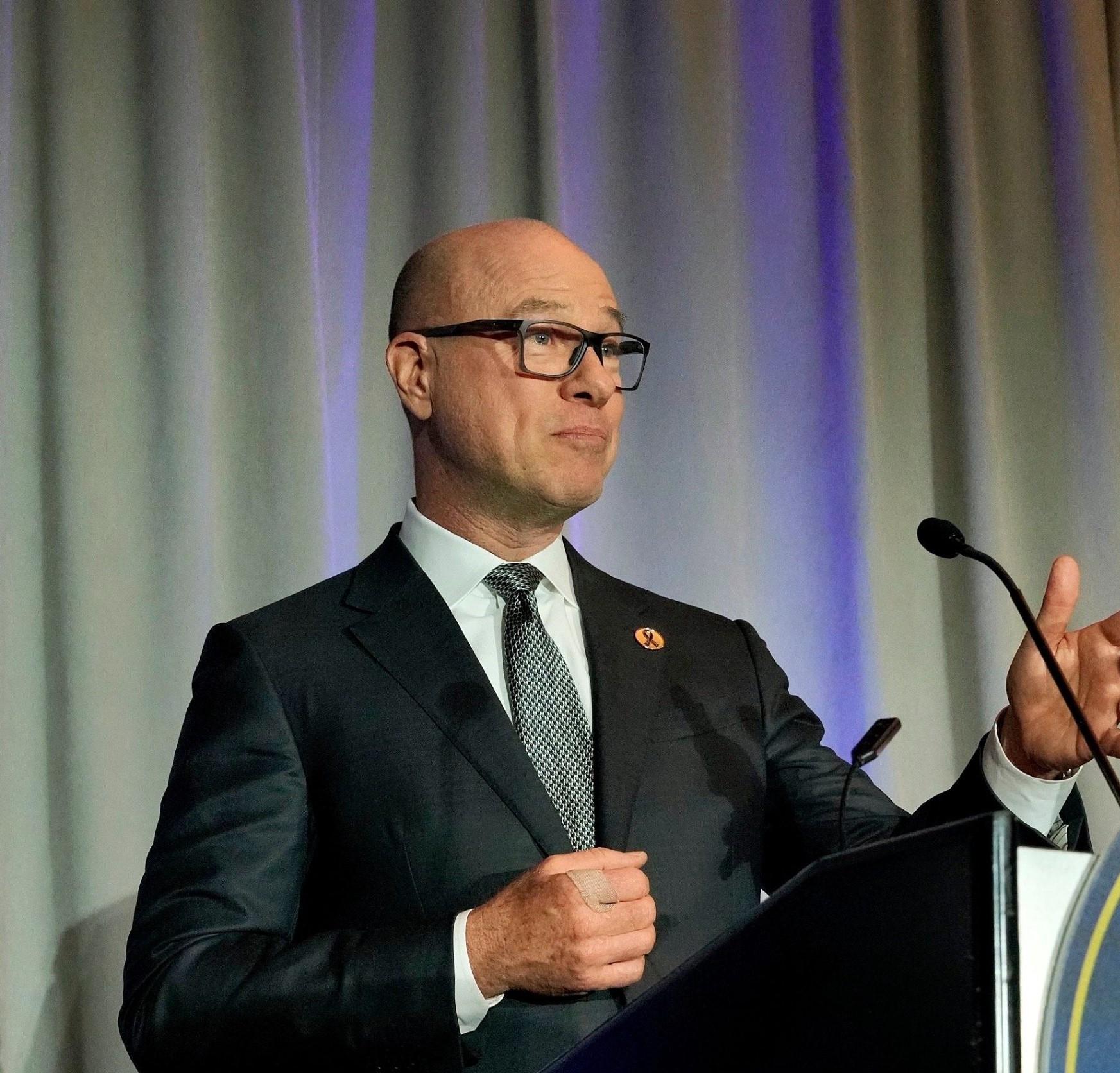
FAA Administrator Bryan Bedford, testifying for the first time since taking office, said the agency is confronting “a journey rather than a destination” on safety, while accelerating air traffic control modernisation under congressional direction and President Donald Trump’s administration.
The important hearing unfolded against the backdrop of the January 29 mid-air collision near Reagan National Airport that claimed 67 lives.
Nehls told families of the victims attending the hearing that his “commitment to you remains steadfast,” pledging continued congressional oversight to ensure such a tragedy is not repeated.
Bedford said the crash was a “sobering reminder why the FAA exists,” adding that the agency’s mission is “to protect pilots, flight attendants and the traveling public by objectively analyzing safety data to identify risk and urgently act on the data to mitigate that risk.”
He said the FAA took immediate steps after the accident, including permanently restricting non-essential helicopter operations in the capital region, closing certain helicopter routes, eliminating visual separation approaches, and requiring aircraft to broadcast ADS-B Out signals with limited exceptions.
“These investigations reinforce the importance of constant vigilance and a willingness to reexamine our processes, our assumptions, and our oversight,” Bedford said, noting close coordination with the National Transportation Safety Board.
Lawmakers from both parties focused heavily on the condition of the nation’s air traffic control system, which has come under intense scrutiny. Full committee chairman Sam Graves said the system is “outdated and unsustainable,” arguing that modernisation is essential “for the benefit and safety of all users of the National Airspace System.”
Congress has approved $12.5 billion for air traffic control modernisation, including radar replacement and upgrades to telecommunications infrastructure. Graves said the funding marked a “historic investment” that allows the FAA to replace critical systems and address long-standing vulnerabilities.
Bedford told lawmakers the agency has already committed more than $6 billion of that funding, largely toward telecommunications and radar systems to be deployed over the next two and a half years. He said the FAA has “compressed radar and telecom modernization into a three-year timeline” and transitioned more than one-third of copper infrastructure to fiber.
Staffing pressures also dominated the hearing, particularly following the recent government shutdown. Bedford said the shutdown placed “extraordinary strain” on air traffic controllers and safety personnel who continued working without pay during the 43-day lapse in appropriations.
“Well before the shutdown, the FAA was already struggling with the shortage of qualified controllers,” he said, adding that the disruption exacerbated those challenges and forced temporary flight reductions at 40 high-traffic airports.
The FAA hired more than 2,000 new controller trainees this year and remains on track to hire 8,900 through 2028, Bedford said, while acknowledging persistent retention issues.
Several lawmakers raised questions about the FAA’s decision to select Peraton as the prime integrator for the modernisation effort. Bedford defended the choice, saying the company brings experience in transitioning legacy systems to digital and cloud-based architectures that the FAA lacks internally.
Throughout the hearing, lawmakers repeatedly warned against rolling back safety measures put in place after the Washington crash. Bedford said flatly, “There’s no going back,” adding that the mitigations implemented after January 29 “will remain closed as long as I’m the administrator.”
The January 29 collision between a US Army Black Hawk helicopter and American Airlines Flight 5342 was the first mass-casualty commercial aviation crash in the United States in nearly 16 years. The NTSB investigation is ongoing, with final findings expected in the coming months.
--IANS
lkj/rs