
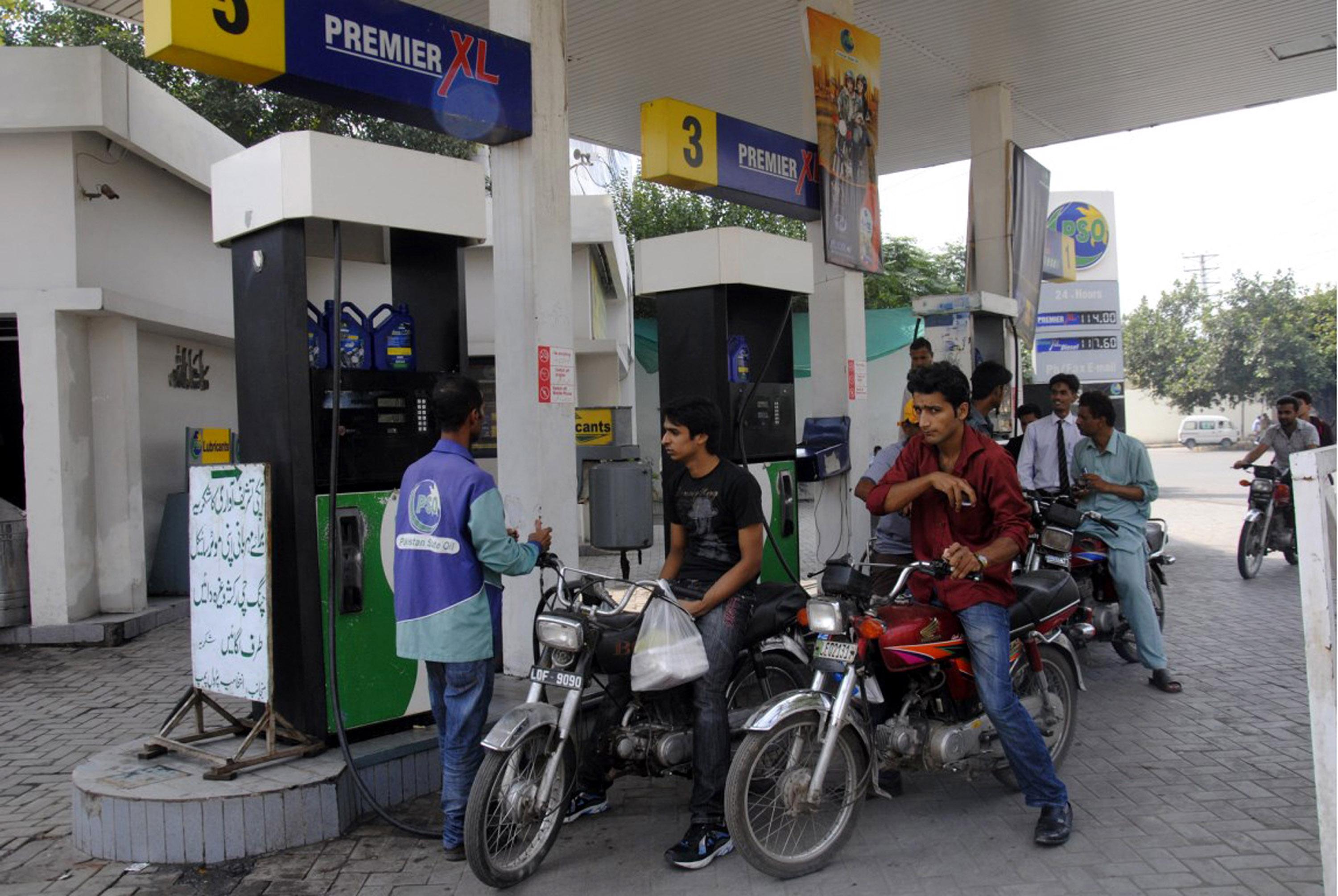
New Delhi, April 1 (IANS) Factors like regional conflict and the temporary closure of the Strait of Hormuz account for only a portion of the increase in fuel prices in Pakistan, according to a new report, which stresses that the majority reflects "structural mismanagement, delayed reforms, and political considerations".
The Pakistan Observer report mentions that officials described the Middle East situation as an exceptional global crisis, while emphasising that precautionary steps had already been taken to manage volatility and safeguard national fuel reserves.
Following this, the ministers announced a Rs 55 per litre increase in both petrol and diesel. The adjustment raised petrol prices from Rs 266.17 to Rs 321.17 and diesel to Rs 335.86, reflecting an increase of around 17 per cent.
Moreover, the IMF had already been pressing Pakistan to adjust fuel prices, well before tensions in Iran escalated.
It emphasised avoiding subsidies and meeting the annual petroleum levy target of Rs 1.468 trillion. By December 2025, over Rs 822 billion had been collected, underscoring the need to sustain high per-litre levies.
Another key aspect missing from the government’s account is the timing of fuel procurement, Assadullah Channa wrote in the Pakistan Observer report.
Much of Pakistan’s existing stock had been imported roughly 24 days before the March 6 decision, at pre-war prices. Consequently, the Rs 55 increase applied across all available stock, including fuel acquired at earlier, lower prices.
"The structure of the price adjustment also reveals a political dimension. According to reporting by the Express Tribune, the increase in petrol prices exceeded the actual rise in international costs because the government sought to subsidise diesel, which is consumed primarily by agriculture, freight transport, and public transport," said the report.
According to the report, the fuel price hike drove up production and transport costs, pushing wholesale prices of essentials like flour, vegetables, and meat higher.
"Transport fares increased, and retailers struggled to sell staples at official rates. Industry warned of added pressure on manufacturing and agriculture, while Pakistan faces its highest poverty in 11 years and unemployment in 21 years," it added.
It argued that the government’s decision to frame the hike as a consequence of external shocks obscures the underlying issues – "persistent revenue underperformance, reliance on petroleum levies to fill fiscal gaps, and the non-utilisation of contingency reserves designed for precisely such moments".
--IANS
na/vd