
Islamabad, Dec 13 (IANS) At least eight people, including six children, have died in a cholera outbreak in Pakistan's southwest Balochistan province this week, raising the death toll to 12 over the past three weeks, local health officials said on Saturday.
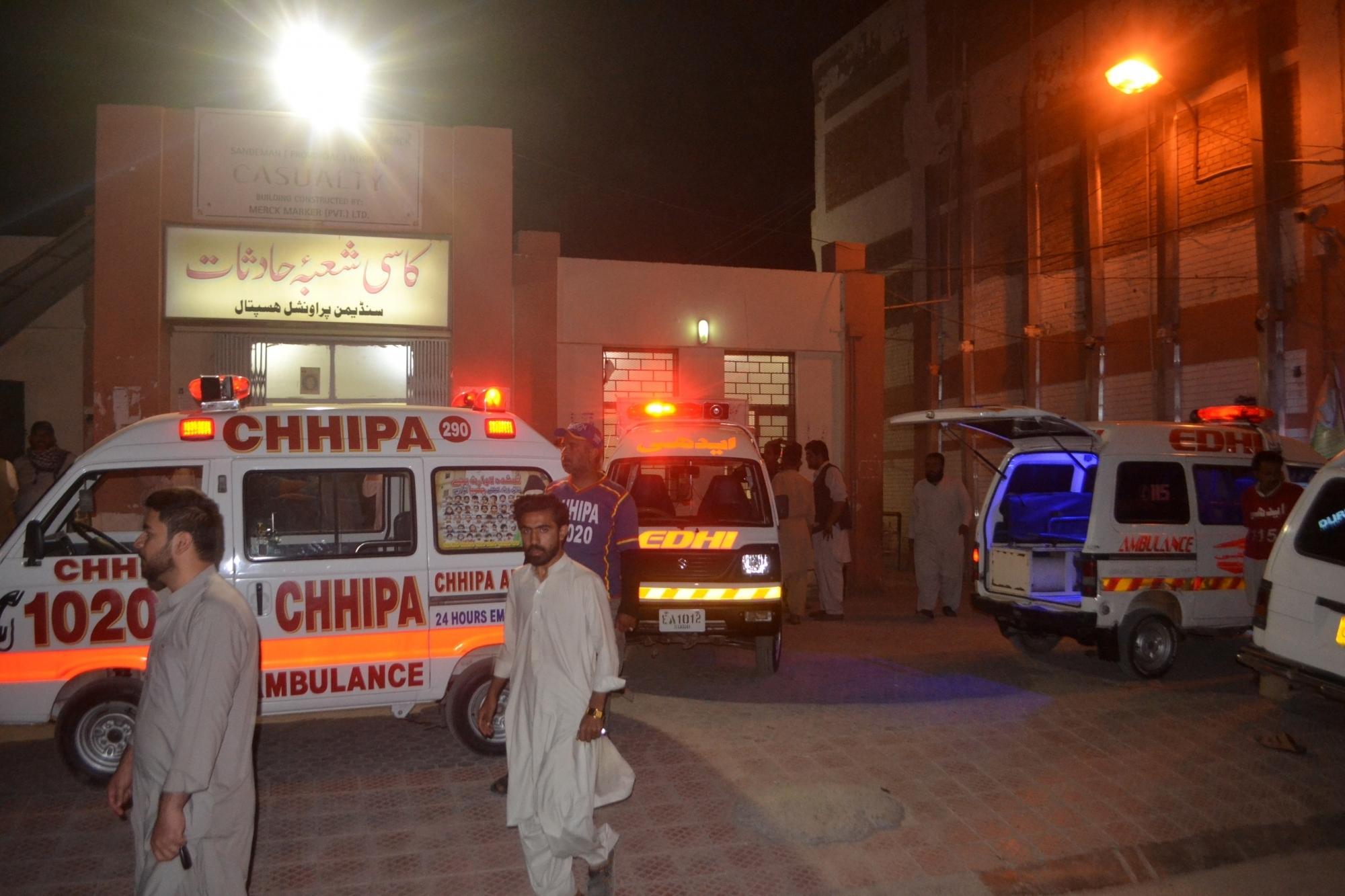
The latest deaths were reported from the Cheena Khundi area of Musakhel district, where six children and two adult men lost their lives, District Health Officer Abdul Ghaffar Khetran told Xinhua news agency. He said medical teams from Quetta, Loralai and Barkhan have reached the affected area, while medicines were dispatched on the instructions of the provincial director general of health.
A government school has been converted into a temporary hospital to provide emergency treatment to patients, the official added.
According to health authorities, at least 14 cholera patients are currently undergoing treatment in the affected area.
Health officials have also collected water samples to determine the source of the outbreak.
Earlier this year, Pakistan's Ministry of Health and the World Health Organisation (WHO) launched the National Cholera Control Plan 2025–2028, targetting a 90 per cent reduction in mortality by 2030 and preparing the country to prevent, detect and respond to cholera outbreaks in a context marked by severe climate change-induced disasters.
Between January 2023 and July 2025, Pakistan reported an annual average of more than 21,000 suspected and 250 confirmed cases of cholera.
According to the WHO, Cholera is an acute infection caused by ingesting the bacteria Vibrio cholerae present in contaminated water or food, resulting in life-threatening diarrhoea that requires urgent medical treatment.
"In Pakistan, cholera is a notifiable endemic illness. The majority of cases are detected in heavily populated metropolitan areas with poor access to clean drinking water, sanitation and hygiene," the WHO stated in July this year.
--IANS
/as