
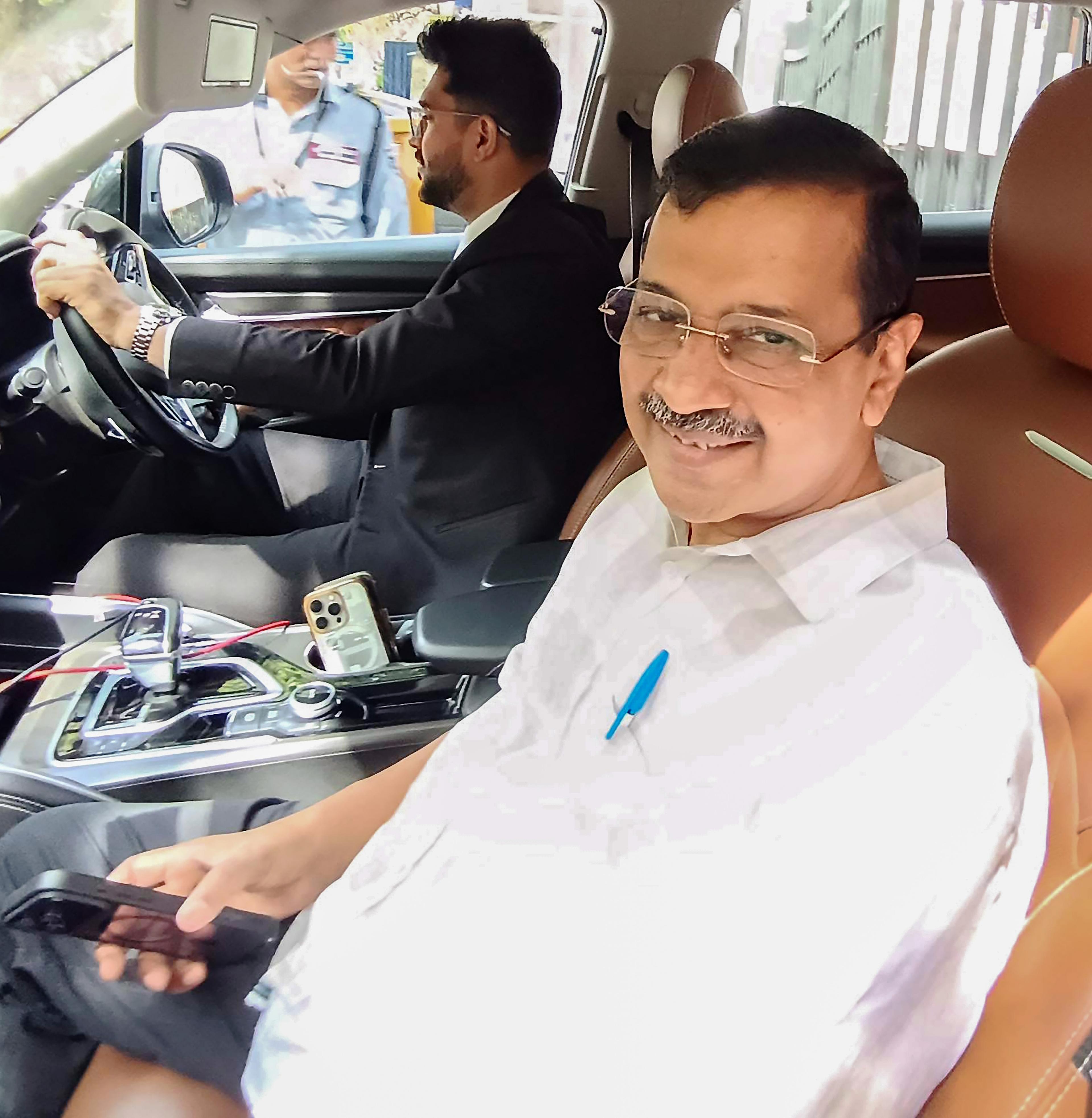
New Delhi, March 15 (IANS) The Delhi High Court has turned down a representation made by AAP National Convenor and former Delhi Chief Minister Arvind Kejriwal seeking transfer of the CBI’s revision petition in the Delhi excise policy case from the Bench of Justice Swarana Kanta Sharma.
In a communication sent to Kejriwal, the Delhi High Court’s Registrar General stated that Chief Justice (CJ) Devendra Kumar Upadhyaya — the master of the roster — had found no reason to reassign the matter to another Bench.
“The petition is assigned to the Hon’ble judge as per the current roster. Any call of recusal has to be taken by the Hon’ble judge. I, however, do not find any reason to transfer the petition by passing an order on the administrative side,” the communication conveyed the CJ Upadhyaya’s observation.
In a letter dated March 11, Kejriwal had expressed apprehension that if the matter remained before Justice Sharma, the case “may not receive a hearing marked by impartiality and neutrality”.
The representation was made in connection with the Central Bureau of Investigation’s (CBI) criminal revision petition challenging the order of the Rouse Avenue Court discharging all 23 accused, including Kejriwal and former Delhi Deputy Chief Minister Manish Sisodia, in the corruption case linked to the now-scrapped excise policy introduced by the then AAP-led Delhi government.
Earlier this week, a single-judge Bench of Justice Swarana Kanta Sharma had issued notice to Kejriwal, Sisodia and other respondents on the CBI’s plea assailing the trial court’s refusal to frame charges against the accused.
During the hearing, Justice Sharma also stayed the trial court’s direction ordering departmental action against a CBI officer who had investigated the case, and said that the remarks made against the investigating agency and the officer would remain stayed.
Separately, the same Bench issued notice on a plea filed by the Enforcement Directorate (ED) seeking the expunging of certain adverse observations made against it by the trial court while discharging the accused in the excise policy case.
The ED has contended that the remarks were “extraneous to the subject matter” and were recorded despite the anti-money laundering agency not being a party before the trial court when the discharge order was passed.
Additional Solicitor General S.V. Raju had argued that the observations were made without giving the ED an opportunity to present its case and could prejudice its ongoing investigation under the Prevention of Money Laundering Act (PMLA).
The Delhi High Court said it would consider the ED’s grievance along with the CBI’s revision petition since the entire judgment of the trial court was already under challenge before it.
The Rouse Avenue Court, in a detailed judgment running into over 1,100 paragraphs on February 27, had discharged all the accused in the case, rejecting the prosecution’s allegation of an overarching conspiracy and holding that the record suggested the excise policy was the result of a consultative and deliberative process undertaken in accordance with prescribed procedure.
Meanwhile, Kejriwal and Sisodia on Saturday furnished surety bonds of Rs 50,000 each before the Rouse Avenue Court following their discharge in the corruption case.
As per legal procedure, an accused who is discharged or acquitted in a criminal case is required to furnish a surety bond to ensure their presence before the court in case the prosecution files an appeal challenging the order.
--IANS
pds/uk