
Mumbai, March 18 (IANS) The state Assembly on Wednesday unanimously passed the Maharashtra Stamp (Amendment) Bill, 2026, which aims to decentralise administrative powers and expedite the disposal of a massive backlog of stamp duty refund applications.
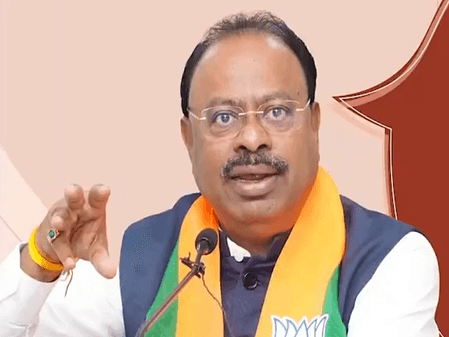
During the discussion, Minister Chandrashekhar Bawankule highlighted that the existing centralised system forced citizens to travel to Mumbai even for mid-sized refund claims, leading to significant delays and “red-tapism".
Minister Bawankule announced the implementation of “micro-zoning” for fixing Ready Reckoner (RR) rates. This policy change marks a shift from broad, zone-based valuations to a more granular, scientific approach aimed at correcting economic disparities in property taxation.
He said that once the survey is complete, the zone-wise and plot-wise RR rates will be made available in a transparent, downloadable PDF format through the Inspector General of Registration (IGR) portal.
“The initial rollout of micro-zoning will begin from April 1, 2027, focusing on the Mumbai Metropolitan Region (MMR) and Pune, where socio-economic disparities within small areas are most pronounced, such as in Worli, Parel and Borivali,” the minister said.
The revenue machinery has been instructed to determine separate rates for slums and Slum Rehabilitation Authority (SRA) projects, chawls and older, non-redeveloped buildings, as well as industrial, commercial and residential usage.
Micro-zoning for RR fixation will be implemented in the rest of Maharashtra thereafter, he added.
The minister pointed out a major flaw in the current system, where small houses, slums and chawls located adjacent to high-end luxury towers are taxed at the same RR rate. Micro-zoning will allow the department to differentiate between these structures even if they fall within the same geographical zone.
The government is deploying Geographic Information System (GIS) technology to map every property. This will enable plot-wise and building-wise accuracy, instead of applying a blanket rate to an entire street or neighbourhood.
Minister Bawankule noted that buyers of smaller or older flats often end up paying stamp duty that is disproportionately high compared to the actual purchase price, as RR rates are inflated by nearby new developments.
Micro-zoning aims to align RR rates more closely with actual market realities of specific micro-markets. While the move is expected to provide relief to low-income residents, it will also ensure that high-end commercial and residential projects are accurately valued, preventing developers from using lower average rates to pay reduced development charges and premiums.
--IANS
sj/pgh