
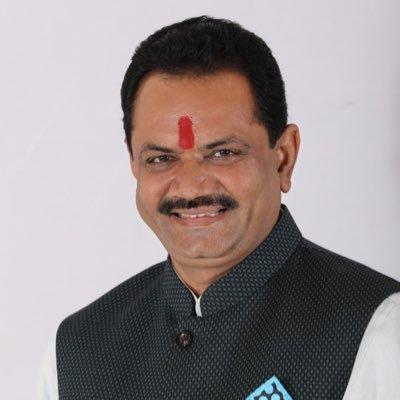
Gandhinagar, Dec 17 (IANS) The Gujarat Cabinet took stock of the impact of unseasonal rains on agriculture, with Agriculture Minister Jitu Vaghani saying that timely government intervention has played a crucial role in strengthening Rabi crop cultivation this season.
He said the assistance extended to farmers helped mitigate weather-related challenges and has contributed to an expansion in the area under Rabi sowing.
Addressing the media after the cabinet meeting, Vaghani said the government’s farmer-focused support package has led to the sale of 72,450 metric tonnes more DAP fertiliser compared to the same period last year.
He noted that Rabi sowing has progressed well across the state and, to sustain this momentum, the government will ensure the supply of 1.41 lakh metric tonnes of urea, along with an additional 2.15 lakh metric tonnes to meet peak seasonal demand.
The minister said the measures are aimed at increasing the production of major Rabi crops such as wheat and gram, while ensuring that farmers are spared the perennial problem of fertiliser shortages.
He said the decision has brought considerable relief to farmers, particularly in view of the recurring urea scarcity witnessed during previous Rabi seasons.
Vaghani also pointed out that unseasonal rainfall has helped improve soil moisture levels, providing an added boost to Rabi sowing. He assured that the state government is closely monitoring fertiliser availability and distribution to ensure uninterrupted supply. Noting that urea shortages in the past had forced farmers to stand in long queues, especially during wheat cultivation, the minister said the government is committed to preventing a repeat of such situations.
Proactive planning and enhanced supply arrangements, he said, will ensure that farmers receive fertilisers in adequate quantities, allowing them to focus on productivity and yields without logistical hurdles.
As per the most recent available government data, Gujarat has around 53.2 lakh registered farmers, according to the agricultural census figures referenced by the state assembly, which reflect the number of cultivators in the state as of the last comprehensive count.
In addition to this core agricultural population, many other farmers are engaged in allied and sustainable farming practices, with over 9.7 lakh farmers adopting natural farming techniques under recent state initiatives to improve soil health and reduce input costs.
This broad agricultural community includes small, marginal, medium and large farmers who cultivate a variety of crops and contribute to Gujarat’s agricultural output, even as the state continues to address challenges such as fertiliser supply and climate-linked crop damage.
--IANS
janvi/pgh