
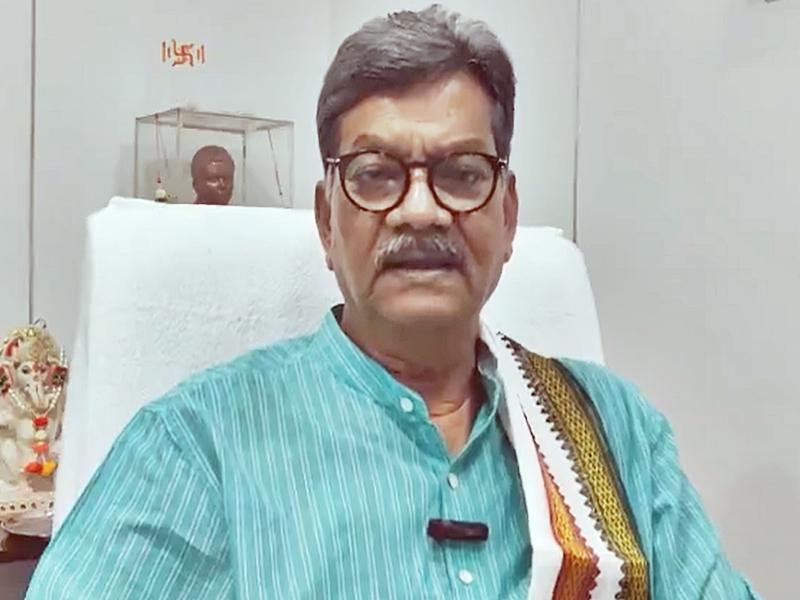
Raipur, March 12 (IANS) The Chhattisgarh Legislative Assembly witnessed chaotic scenes on Thursday as the main opposition Congress party staged a vehement protest over the reported shortage of LPG cylinders in the state, linking the crisis to the ongoing conflict in West Asia between Iran and Israel.
During Zero Hour, Leader of the Opposition Charan Das Mahant highlighted the acute difficulties faced by over 3.6 million domestic LPG consumers in Chhattisgarh.
He accused the state government of failing to prevent black marketing and hoarding, despite earlier assurances from Chief Minister Vishnu Deo Sai that no shortages would occur.
Mahant pointed out that prices were hiked shortly after such promises, exacerbating public hardship.
He submitted an adjournment motion seeking a detailed debate on the issue and urged strict government measures to ensure smooth supply.
When the demand for discussion on the motion was denied, Congress MLAs trooped into the Well of the House, shouting slogans and disrupting proceedings.
The Speaker, following assembly rules, initially suspended 30 Congress members. However, the suspension was later rescinded, and the House was adjourned briefly for five minutes.
Upon resumption, Mahant reiterated the concerns, emphasising the impact on ordinary households. Senior Congress leader and former Chief Minister Bhupesh Baghel strongly backed the agitation.
While acknowledging that LPG supply is a central subject, he stressed that the state government bears responsibility for curbing local issues like black marketing, hoarding, and unfair distribution.
Baghel demanded transparency from the government on current stockpiles of both domestic and commercial LPG cylinders, as well as steps to facilitate supply.
He noted that the West Asia conflict has disrupted normal life nationwide, with shortages reported in multiple states.
Commercial gas supplies have been particularly hit, leading to nearly 50 per cent of hotels in major cities closing operations, including some in Chhattisgarh.
India, heavily reliant on imports, has seen price surges and prioritised household distribution, squeezing commercial users and sparking protests in assemblies and Parliament.
--IANS
sktr/pgh